In recent years, gluten has become a controversial topic in the health and nutrition space. Many individuals are opting for gluten-free diets, believing it to be a healthier choice. However, these dietary decisions are often driven by misinformation. Let’s explore the truth about gluten, the role of wheat in our diets, and its numerous nutritional benefits.
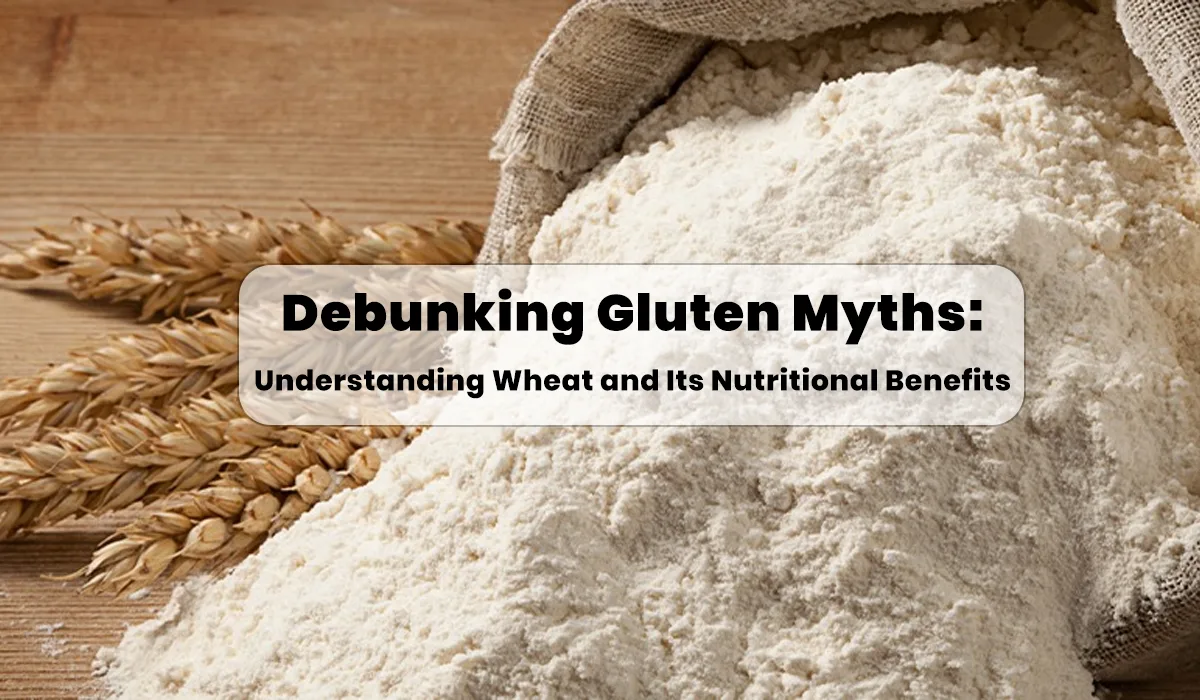
Debunking Gluten Myths: Understanding Wheat and Its Nutritional Benefits
What is Gluten?
Gluten is a naturally occurring protein found in wheat, barley, and rye. It provides elasticity to dough, giving bread its chewy texture. While gluten is harmless for most people, those with celiac disease (about 1% of the population, according to a 2020 study by the Mayo Clinic) or non-celiac gluten sensitivity need to avoid it for medical reasons.
Myth 1: Gluten is Inherently Harmful
- Fact: For the vast majority of the population, gluten poses no harm. According to a study published in Gastroenterology (2022), only a small percentage of individuals experience adverse reactions to gluten.
- Clarification: Avoiding gluten without a medical reason can lead to nutrient deficiencies, as many gluten-free products lack essential vitamins and minerals.
Myth 2: Wheat Causes Weight Gain
- Fact: Weight gain is not directly caused by wheat or gluten but by excessive calorie intake. Whole wheat products, rich in fiber, actually aid in weight management by promoting satiety and reducing hunger.
- A 2018 study by the Journal of Nutrition found that participants who consumed whole grains experienced a 2.4% reduction in body fat compared to those who consumed refined grains.
Nutritional Benefits of Wheat
- Rich in Essential Nutrients
- Whole wheat contains fiber, B vitamins (like thiamine and niacin), iron, magnesium, and selenium. These nutrients are crucial for energy production, immune support, and overall well-being.
- According to the USDA, one cup of whole wheat flour provides:
- 16 grams of fiber
- 13 grams of protein
- Over 25% of the daily recommended intake of magnesium.
- Aids Digestive Health
- The bran in whole wheat is an excellent source of insoluble fiber, which improves bowel regularity and supports gut health. Studies have shown that high-fiber diets reduce the risk of colon cancer by up to 40%.
- Supports Heart Health
- Whole wheat consumption is linked to lower cholesterol levels and reduced risk of cardiovascular disease. The American Heart Association recommends at least three servings of whole grains daily to maintain heart health.
- Regulates Blood Sugar Levels
- The slow digestion of whole wheat prevents spikes in blood sugar, making it a healthier choice for individuals with diabetes. A 2021 study published in Diabetes Care revealed that replacing refined grains with whole grains improved glycemic control in type 2 diabetes patients.
Modern Gluten Myths and Marketing Gimmicks
- Gluten-free diets have gained popularity, but they’re not inherently healthier. Many gluten-free products are highly processed, containing added sugars and fats to mimic the texture of gluten-containing foods.
- Research by Harvard Medical School indicates that individuals who avoid gluten without medical necessity may miss out on essential nutrients like fiber, iron, and B vitamins.
Why Wheat Deserves a Place in Your Diet
Wheat is not just a staple food but a nutritional powerhouse when consumed in its whole form. Opting for stone-ground, traditionally processed flours like Nutrapoorna’s ensures that the natural fiber, bran, and germ remain intact, offering maximum health benefits.
At Nutrapoorna, we take extra care to retain the nutrients in our wheat by grinding it dry and avoiding water sprays, unlike conventional methods. This process helps preserve the fiber and essential nutrients, ensuring that our atta is a healthier choice for your family.
Conclusion
While gluten-free diets are essential for a small portion of the population, they are not a necessity for most. Whole wheat, when consumed in its unrefined form, is a highly nutritious component of a balanced diet. By debunking these gluten myths, we can embrace the numerous health benefits of wheat and make informed dietary choices.
Switch to Nutrapoorna’s nutrient-rich, stone-ground atta for a wholesome, balanced diet that nourishes both body and soul.
Well I truly liked reading it. This tip offered by you is very helpful for accurate planning.